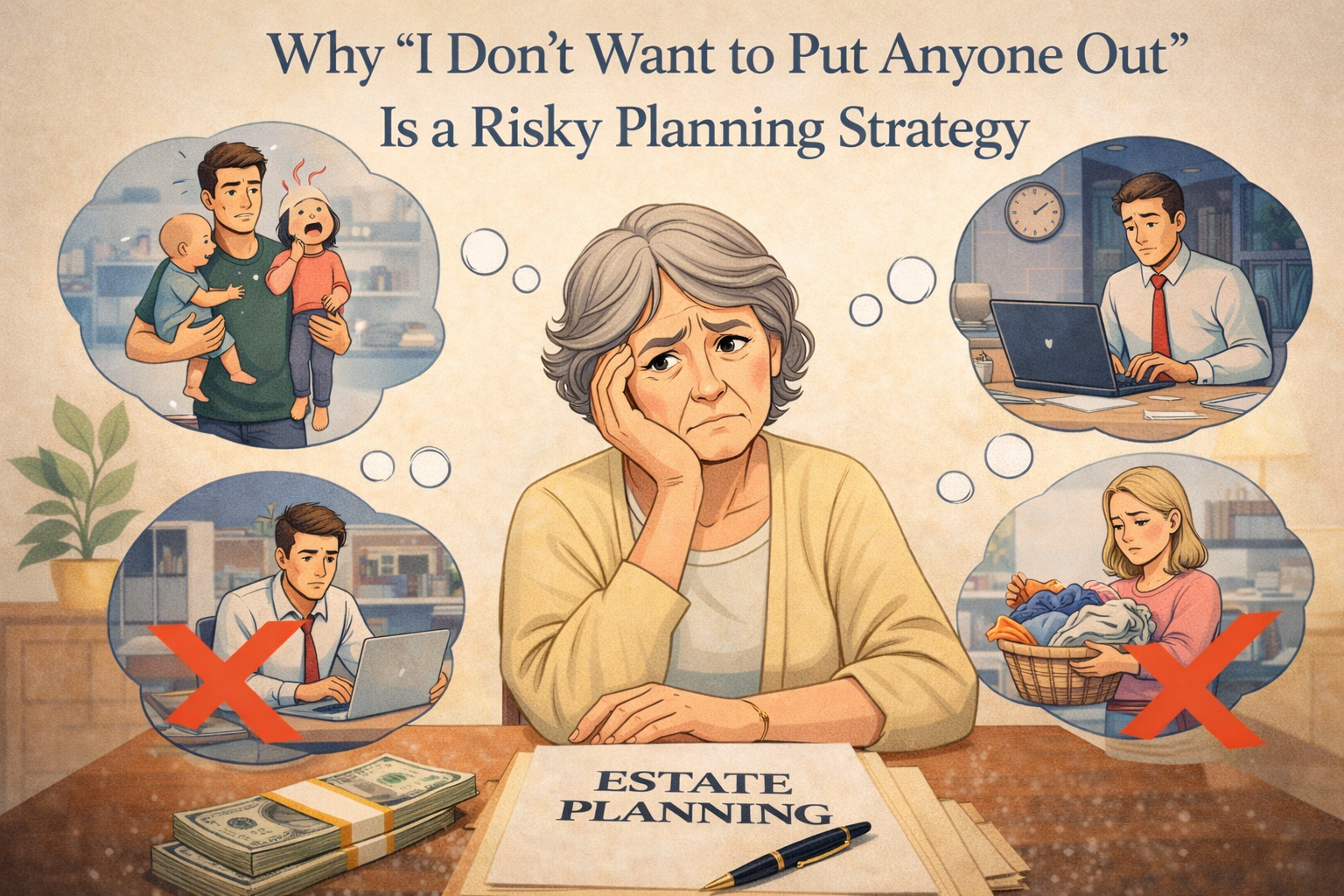
Many people think estate planning problems begin when someone passes away. In reality, the most damage usually happens long before that. Delay — not death — is what quietly undermines estate plans, creates family stress, and forces courts to step in.
In 2026, estate planning failures are less about sudden tragedy and more about postponed decisions, outdated documents, and plans that never kept pace with real life.
Why Delay Is So Common
Estate planning is often delayed for understandable reasons:
- Life feels busy and planning feels non-urgent
- No major crisis has happened yet
- The plan “seems fine for now”
- Decisions feel uncomfortable or complicated
- People assume they’ll revisit it later
Unfortunately, estate planning delays don’t stay neutral. While documents sit untouched, circumstances continue to change.
How Delay Quietly Damages Estate Plans
Estate planning damage usually happens gradually, not dramatically.
Common consequences of delay include:
- Fiduciaries who are no longer the right fit
- Beneficiaries whose needs have changed
- Assets that were never retitled or updated
- New property or accounts left outside the plan
- Family dynamics that no longer match assumptions
- Missing or outdated incapacity planning
By the time a plan is needed, these gaps can be difficult — or impossible — to fix.
Delay Is Most Harmful During Incapacity
One of the most overlooked risks of delay is incapacity.
Without up-to-date planning:
- Loved ones may lack authority to manage finances
- Medical decisions may be delayed or disputed
- Courts may need to appoint guardians or conservators
- Families may experience stress during already difficult moments
In Georgia, court involvement often becomes necessary when planning documents are missing or outdated. That involvement adds cost, delay, and loss of privacy.
Learn more about proactive planning on our Estate Planning Services page.
Why Waiting for “The Right Time” Backfires
Many people plan to update their estate documents after a milestone — retirement, a move, a health change, or a family event. The problem is that life rarely pauses to allow for perfect timing.
Delay often means:
- Plans lag behind reality
- Decisions get made under pressure
- Loved ones inherit confusion instead of clarity
- Courts fill in the gaps
Estate planning works best when it anticipates change rather than reacting to it.
The Cost of Delay Isn’t Always Financial
While delays can increase legal fees and administrative costs, the emotional cost is often greater.
Families affected by delayed planning frequently experience:
- Stress over who should make decisions
- Guilt about choices made under pressure
- Conflict between siblings or relatives
- Long-term strain on relationships
Clear planning reduces emotional weight. Delay shifts it to others.
For more on how estates are handled after death, visit our Georgia Probate Lawyer page.
What Proactive Estate Planning Looks Like in 2026
In 2026, effective estate planning focuses less on perfection and more on relevance.
Proactive plans are:
- Reviewed periodically
- Updated as family roles change
- Aligned with current assets and priorities
- Designed to function during incapacity
- Clear enough to reduce interpretation
Small updates made early often prevent major problems later.
How to Avoid Delay-Driven Estate Planning Damage
Avoiding delay doesn’t require constant rewriting. It requires intention.
Helpful steps include:
- Scheduling regular plan reviews
- Updating documents after major life changes
- Confirming assets are properly aligned with the plan
- Re-evaluating fiduciary choices over time
- Addressing gaps before they become emergencies
Even brief reviews can significantly reduce risk.
Final Thoughts
Estate planning damage rarely begins with death. It begins with delay. The longer plans go untouched, the more likely they are to fail when they’re needed most. In 2026, thoughtful estate planning means acting before urgency forces decisions.
If your estate plan hasn’t been reviewed recently, or if it was created under very different circumstances, Hurban Law can help you update it with clarity, intention, and real-world effectiveness under Georgia law.