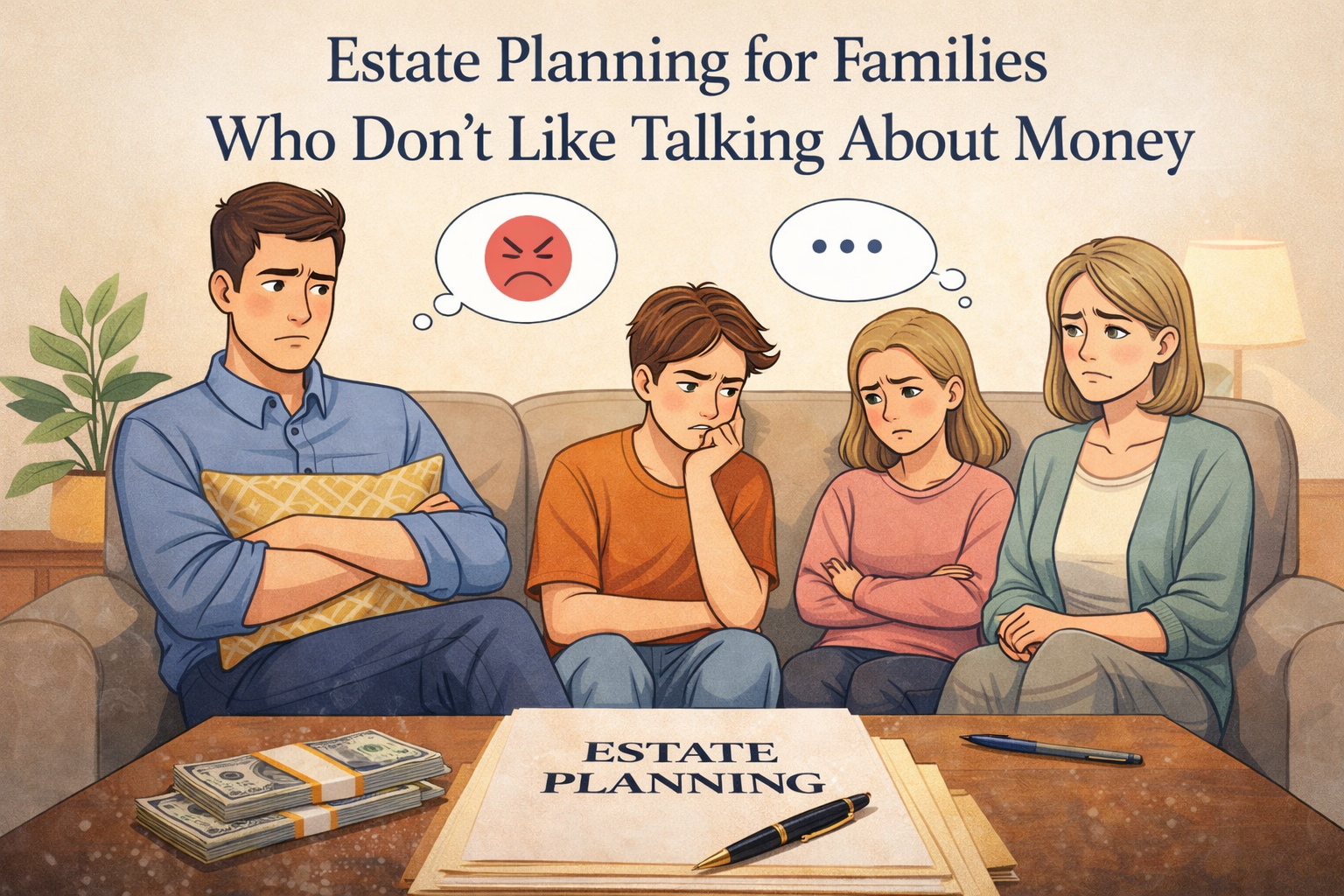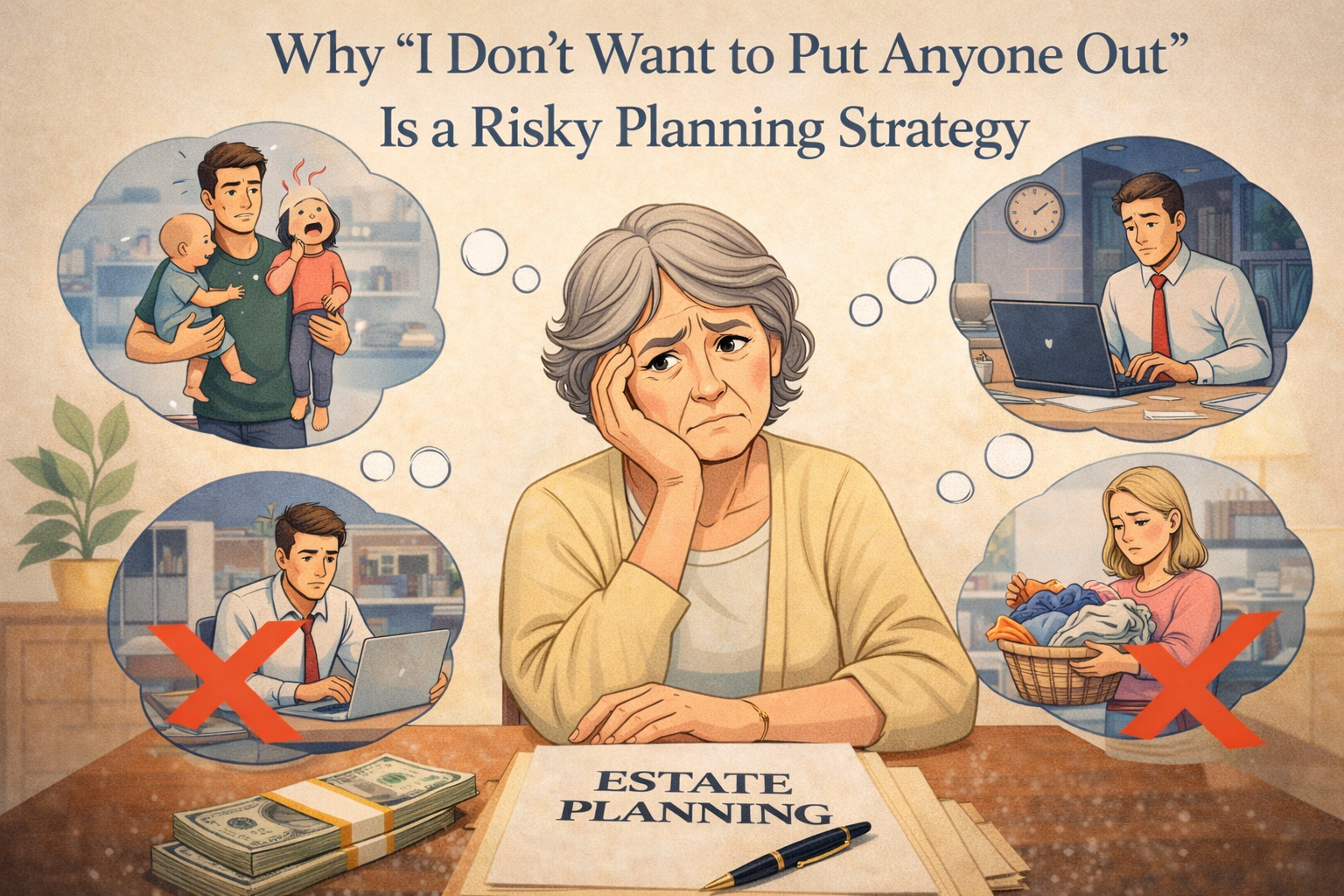
“I don’t want to put anyone out” is one of the most common — and well-intentioned — phrases people use when discussing estate planning. It often reflects kindness, humility, and a desire not to burden loved ones. Unfortunately, when this mindset drives estate planning decisions, it can quietly create confusion, stress, and conflict for the very people it’s meant to protect.
In 2026, effective estate planning is not about avoiding inconvenience. It’s about providing clarity and structure when families need it most.
Where This Mindset Comes From
People often say “I don’t want to put anyone out” because they:
- Don’t want to inconvenience their children
- Feel uncomfortable asking someone to take responsibility
- Assume things will work themselves out
- Believe formal planning is unnecessary
- Want to keep peace within the family
These feelings are understandable. But estate planning that avoids responsibility rarely eliminates burden — it usually shifts it.
How Avoiding Burden Actually Creates More of It
When decisions are avoided to spare others, families often face greater challenges later.
Common consequences include:
- No clear decision-maker during a crisis
- Confusion over who has authority
- Delays in handling finances or healthcare
- Court involvement to appoint guardians or administrators
- Family members scrambling to step in without guidance
Instead of one person being clearly empowered, everyone is left uncertain.
Georgia courts step in when authority isn’t clearly assigned, often creating far more disruption than proactive planning would have.
The Hidden Burden of Not Choosing
Failing to choose executors, trustees, or agents doesn’t remove responsibility — it transfers it to the court system.
This can result in:
- Court-appointed decision-makers
- Additional legal fees
- Loss of privacy
- Delays in care or asset management
- Increased stress for family members
Choosing someone thoughtfully is usually far less burdensome than leaving the decision open.
Learn more about the importance of proactive planning on our Estate Planning Services page.
Why Clarity Is a Gift, Not a Burden
Clear estate planning is often framed as asking too much of others. In reality, it often provides relief.
Clear plans help loved ones by:
- Removing guesswork
- Defining roles and expectations
- Preventing disagreements
- Allowing people to act confidently
- Reducing guilt and second-guessing
Most people would rather have clear instructions than be forced to make difficult decisions during an emotional time.
Areas Where This Strategy Causes the Most Harm
“I don’t want to put anyone out” most commonly undermines planning in these areas:
Fiduciary Appointments
Avoiding naming an executor or trustee leaves no clear leader when decisions must be made.
Incapacity Planning
Without powers of attorney or healthcare directives, families may be unable to act quickly when care is needed.
Unequal Family Dynamics
Avoiding hard choices about fairness or responsibility often creates resentment rather than harmony.
Asset Management
Leaving assets without clear instructions can force rushed decisions or court involvement.
For more on administration challenges, visit our Georgia Probate Lawyer page.
How Thoughtful Planning Reduces Burden
Effective estate planning reframes responsibility.
Instead of asking loved ones to figure things out, it:
- Assigns roles intentionally
- Provides clear authority
- Sets reasonable boundaries
- Anticipates common challenges
- Reduces the need for court intervention
Trust-based planning is especially helpful for families concerned about burden and conflict. Learn more on our Trusts & Estate Planning page.
What to Do Instead
Rather than avoiding decisions, consider:
- Choosing fiduciaries who are capable and willing
- Naming backups to reduce pressure on any one person
- Using professionals when neutrality helps
- Providing clear instructions rather than vague guidance
- Reviewing plans regularly to ensure they still make sense
These steps often reduce the burden on loved ones instead of increasing it.
Final Thoughts
“I don’t want to put anyone out” comes from a good place, but it’s a risky foundation for estate planning. Avoiding decisions today often forces loved ones to make harder ones later — without guidance, authority, or clarity.
Thoughtful estate planning doesn’t burden families. It protects them. If your plan avoids responsibility instead of defining it, Hurban Law can help you create a clear, compassionate plan that truly serves the people you care about.