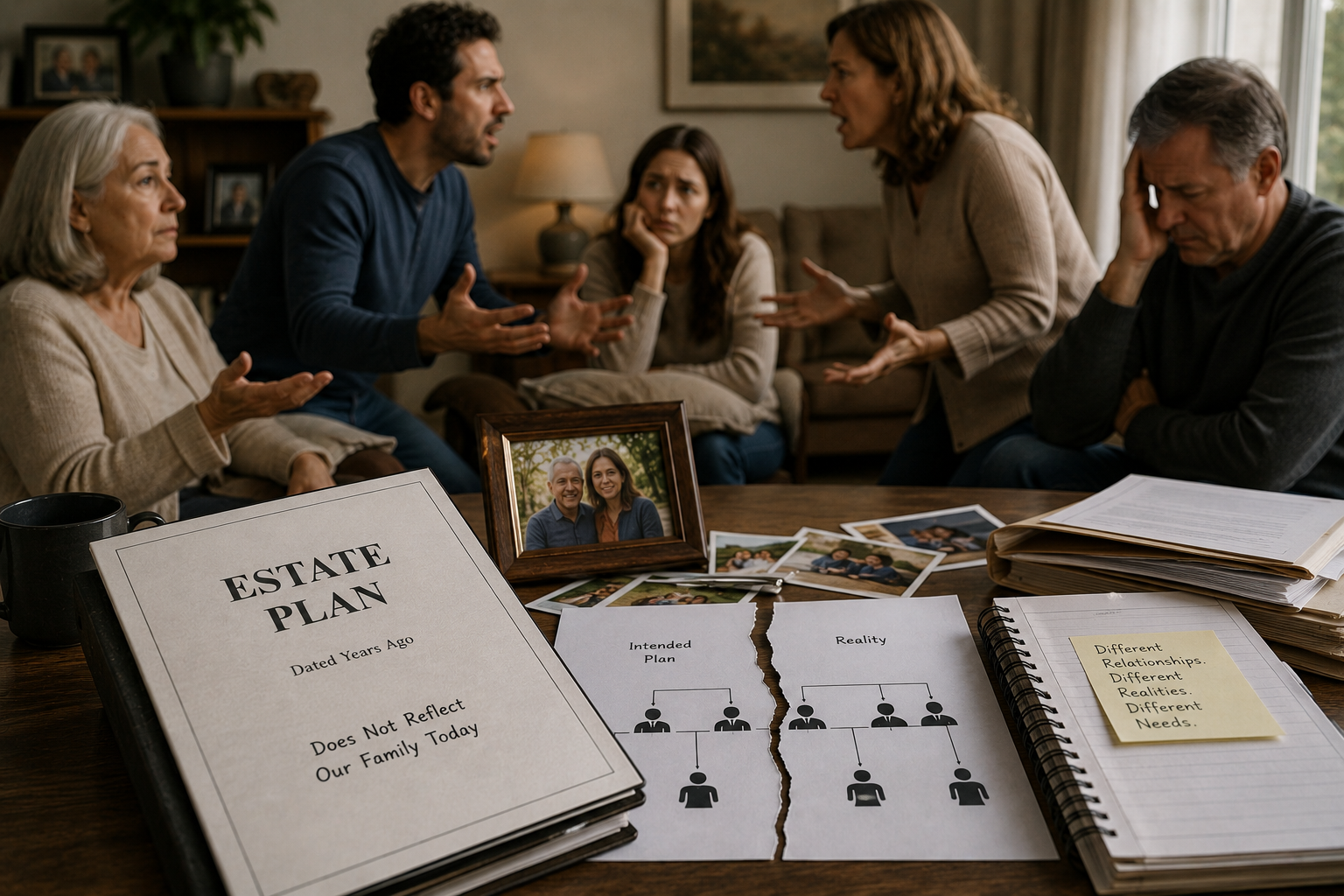
Many people begin the estate planning process with good intentions. They gather documents, think through options, and discuss possibilities with family members or advisors. But when it comes time to make final decisions, they hesitate.
Sometimes the delay comes from uncertainty. Other times, it comes from wanting to avoid difficult choices or hoping circumstances will become clearer later. Whatever the reason, unfinished estate planning can create real problems over time.
In 2026, one of the most common estate planning issues is not lack of awareness — it is the inability to finalize important decisions.
Why Final Decisions Are Often Delayed
Estate planning requires choices that can feel emotionally difficult or permanent.
People often struggle with decisions involving:
- Choosing an executor or trustee
- Dividing assets among family members
- Naming guardians for children
- Addressing unequal financial situations
- Updating older plans after major life changes
Even when people know planning is important, making the final call can feel overwhelming.
The Problem With “Almost Finished” Estate Plans
An estate plan that is incomplete can create many of the same risks as having no plan at all.
Common situations include:
- Drafts that were never signed
- Documents started but never finalized
- Beneficiary updates that were postponed
- Verbal intentions that never made it into writing
Families may assume a plan exists, only to discover later that critical steps were never completed.
Why Indecision Creates Long-Term Risk
Estate planning delays are not always dramatic. Sometimes plans remain unfinished for years because nothing feels urgent.
Over time, however:
- Relationships change
- Assets evolve
- Fiduciary choices become outdated
- Health circumstances shift
- Legal and financial priorities change
A decision postponed too long may eventually become harder to make, not easier.
Learn more about proactive planning on our Estate Planning Services page:
https://hurbanlaw.com/estate-planning/
The Search for the “Perfect” Decision
Many people delay finalizing estate plans because they want every decision to feel perfect or permanent.
This often leads to:
- Constant reconsideration of beneficiaries or fiduciaries
- Fear of upsetting family members
- Endless comparison between planning options
- Repeated postponement of signing documents
In reality, estate plans can be reviewed and updated over time. Waiting for absolute certainty often prevents progress altogether.
How Indecision Affects Families
When important decisions remain unfinished, family members may be left without guidance.
This can lead to:
- Confusion about intentions
- Conflict over assumptions
- Increased probate complications
- Delays in administration
- Emotional strain during difficult moments
Clear decisions provide structure, even if every detail is not perfect.
Executors and Fiduciaries Need Clarity
Executors and trustees rely on completed documents and clear instructions to carry out their responsibilities.
Unfinished planning can create questions such as:
- Who was supposed to serve?
- Were changes intended but never completed?
- Which version of the plan reflects current wishes?
These uncertainties can complicate estate administration significantly.
For more on probate and estate administration, visit our Probate page:
https://hurbanlaw.com/probate-lawyer-atlanta/
Why Smaller Decisions Often Become Bigger Delays
Interestingly, estate planning delays are not always caused by major wealth or complicated structures. Often, smaller personal decisions create the biggest obstacles.
Examples include:
- Choosing between two children as executor
- Deciding how sentimental property should be handled
- Updating beneficiaries after a family change
These emotional decisions are often harder than the legal process itself.
What Practical Estate Planning Looks Like in 2026
In 2026, effective estate planning focuses on progress and clarity rather than perfection.
Strong plans typically:
- Prioritize completing core documents
- Allow for future updates when needed
- Focus on practical functionality
- Reduce uncertainty for family members and fiduciaries
A completed plan that can evolve is generally more effective than a perfect plan that never gets finalized.
Moving From Discussion to Action
People often feel relief once key decisions are finally documented. The process becomes less about uncertainty and more about creating structure.
Helpful steps include:
- Prioritizing the most important decisions first
- Setting realistic timelines for completion
- Reviewing plans periodically rather than endlessly revising
- Working with experienced guidance to move the process forward
These steps help transform planning into action.
Final Thoughts
Estate planning does not require perfect certainty, but it does require completed decisions. When plans remain unfinished, families may be left without the clarity and structure they need.
If you have started estate planning but continue delaying final decisions, Hurban Law can help you move forward with a practical plan that reflects your goals under Georgia law.