When someone passes away or becomes incapacitated, one of the most immediate practical concerns is often overlooked: access to the home. Families may know who is inheriting the property eventually, but they are often unprepared for the short-term question of who can legally enter, manage, and maintain it in the meantime.
In Georgia, access to a home after death or incapacity is not always as straightforward as families expect. Without clear planning, confusion and disputes can arise quickly.
Why Home Access Becomes an Immediate Issue
A home usually requires attention right away after someone passes away.
Common responsibilities include:
- Securing the property
- Collecting mail and packages
- Caring for pets
- Managing utilities
- Preventing damage or theft
- Maintaining insurance requirements
Someone needs authority to handle these responsibilities, but families do not always know who that person should be.
The Difference Between Access and Ownership
One of the biggest misunderstandings is assuming that access automatically equals ownership rights.
For example:
- A family member may have a key but no legal authority
- An heir may expect immediate access before probate is complete
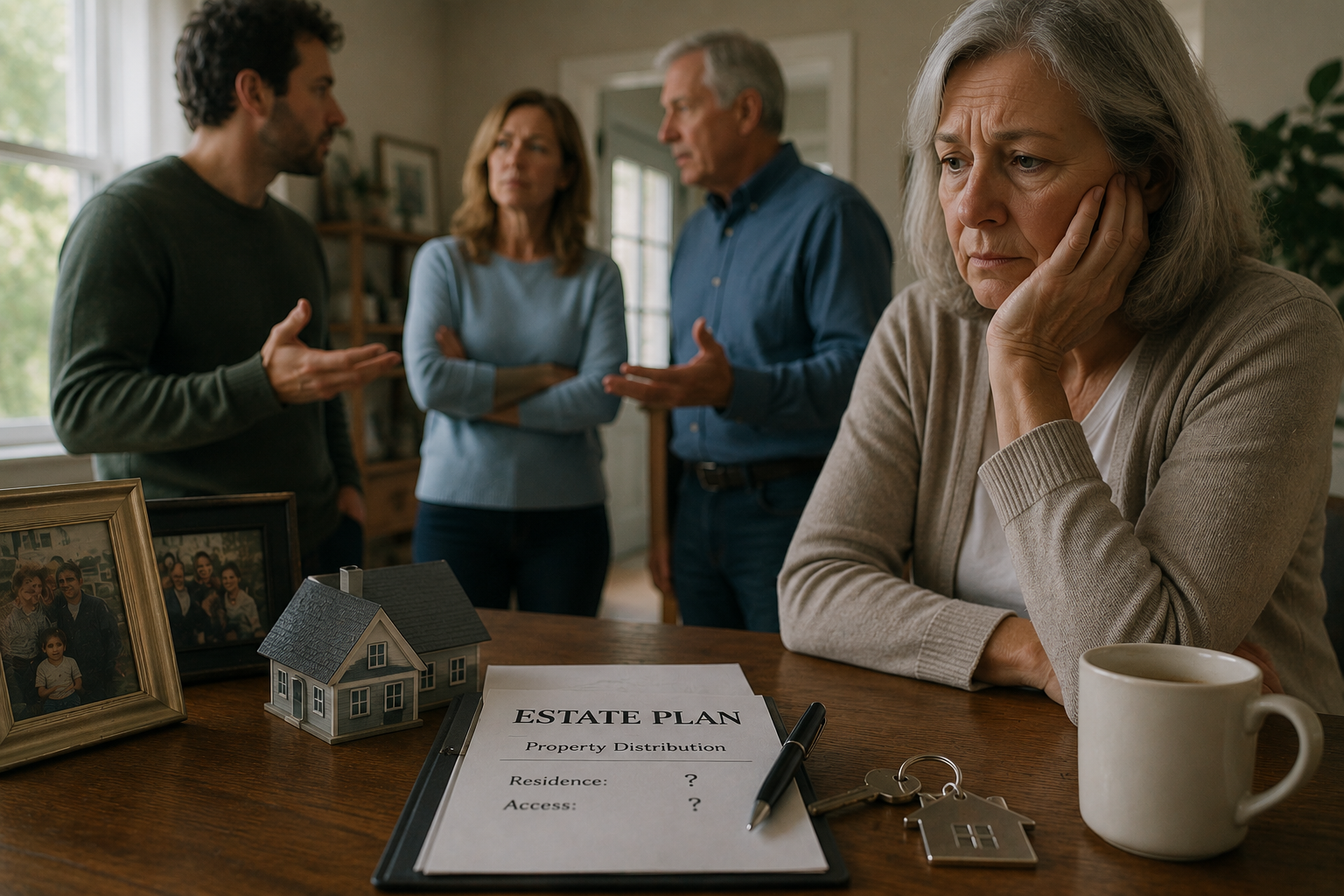
- Multiple family members may disagree about who should enter the property
Estate administration and property ownership often take time, even if intentions seem clear.
Problems That Arise Without Clear Planning
When home access is not addressed, several issues can emerge:
- Family disputes over who can enter the home
- Difficulty locating important documents or valuables
- Delays in securing or maintaining the property
- Conflicts about removing personal belongings
- Increased risk of property damage or neglect
These problems are especially common when emotions are already high.
Learn more about coordinated planning on our Estate Planning Services page:
https://hurbanlaw.com/estate-planning/
Vacation Homes and Secondary Properties
Access issues become even more complicated when families own:
- Vacation homes
- Rental properties
- Seasonal residences
- Property in different counties
If no one is clearly responsible for these homes, maintenance and security problems can develop quickly.
Access During Incapacity
Home access issues are not limited to death. Incapacity can create similar complications.
Questions may include:
- Who can enter the home to assist?
- Who has authority to manage household expenses?
- Can someone access important records or medications?
Without proper incapacity planning, even close family members may face legal limitations.
Security Systems, Locks, and Digital Access
Modern homes often involve additional layers of access control.
Executors or family members may need to manage:
- Alarm systems
- Smart locks
- Garage access codes
- Security cameras
- Home automation systems
If this information is not documented, gaining access can become surprisingly difficult.
For more on estate administration and probate matters, visit our Probate page:
https://hurbanlaw.com/probate-lawyer-atlanta/
The Executor’s Responsibility
Executors are generally responsible for protecting estate property during administration.
This may involve:
- Securing the home
- Preventing unauthorized access
- Managing maintenance and insurance
- Preparing the property for sale or transfer
Clear estate planning helps executors carry out these responsibilities more effectively.
How Estate Planning Can Help
Thoughtful planning can reduce confusion surrounding home access.
Helpful steps include:
- Clarifying who should manage the property initially
- Organizing keys, codes, and access information
- Coordinating ownership and estate documents
- Planning for both incapacity and death
- Keeping property-related information accessible
These details make administration smoother and help reduce family conflict.
What Home Access Planning Looks Like in 2026
In 2026, estate planning increasingly accounts for practical realities, not just long-term inheritance.
Strong plans typically:
- Address immediate property management needs
- Anticipate temporary access issues
- Organize physical and digital access information
- Coordinate authority clearly
This approach helps protect both the property and the people involved.
Final Thoughts
Access to the home is one of the first practical issues families face after death or incapacity, yet it is often overlooked in estate planning. Without clear authority and preparation, confusion can arise quickly.
If your estate plan does not address how homes and property should be accessed and managed, Hurban Law can help you create a structure that protects your property and simplifies administration under Georgia law.