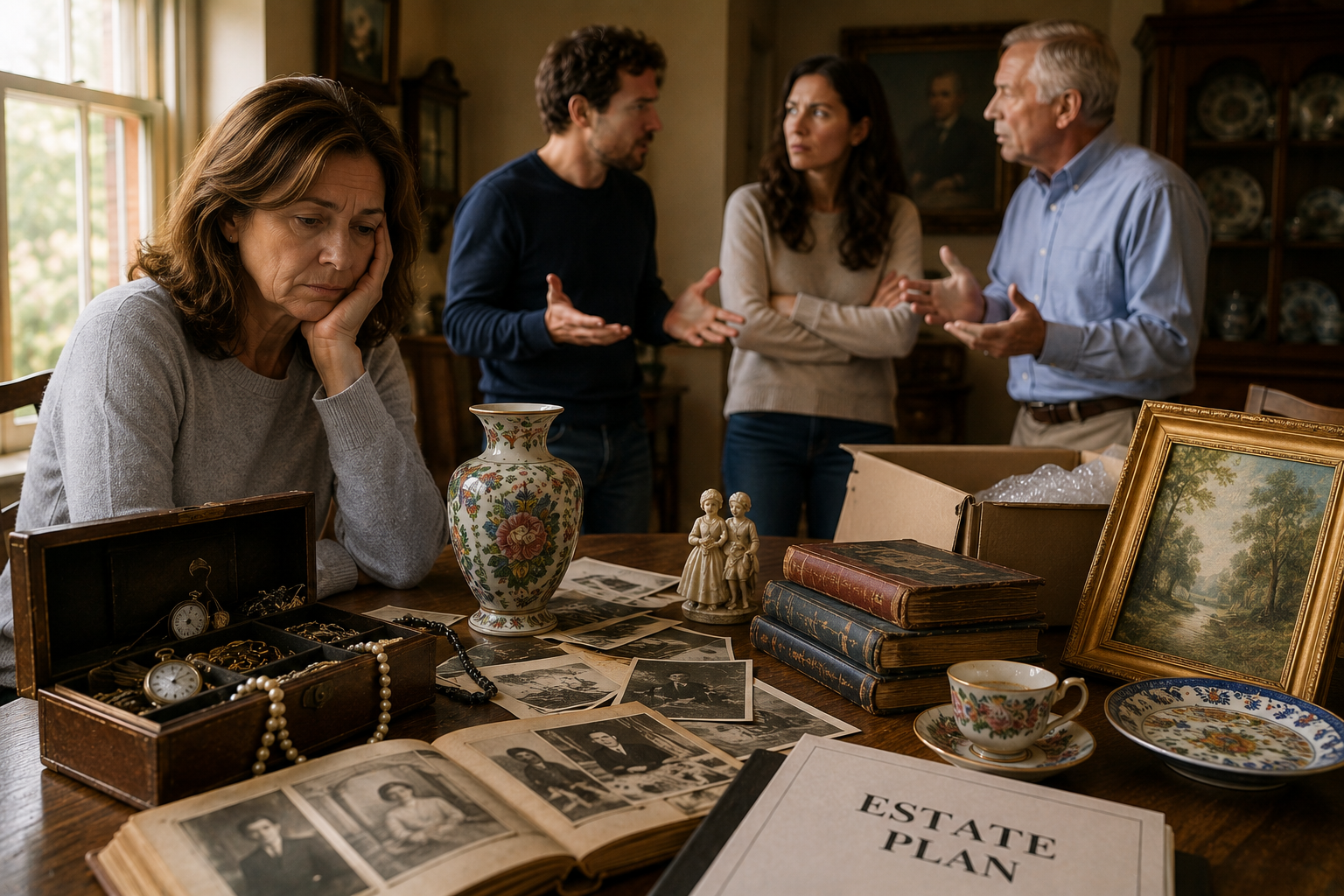
Most estate plans involve a variety of assets. There may be a home, investment accounts, retirement savings, personal property, and other resources that make up the estate. In some families, however, one asset stands above all the others.
It could be a family business, a farm, inherited land, a vacation property, or a real estate portfolio. Whatever the asset may be, it often carries both financial and emotional significance. When a single asset represents a large portion of an estate, estate planning becomes less about dividing property and more about managing the future of that asset.
In 2026, concentrated assets remain one of the most important planning challenges for Georgia families.
When One Asset Drives the Entire Estate
Some assets naturally become the centerpiece of an estate because of their size, value, or importance.
Examples include:
- A closely held business
- A family farm
- A large tract of land
- A vacation home that has been in the family for generations
- An investment property portfolio
In these situations, many estate planning decisions ultimately revolve around what happens to that one asset.
Why Concentrated Assets Create Unique Challenges
When one asset represents a significant portion of the estate, flexibility becomes limited.
Common concerns include:
- Difficulty dividing value equally among beneficiaries
- Conflicting opinions about whether to keep or sell the asset
- Liquidity concerns
- Ongoing management responsibilities
- Emotional attachment from multiple family members
The larger the asset’s role within the estate, the more important planning becomes.
Fairness and Equality Are Not Always the Same
Families often assume assets should be divided equally. With concentrated assets, however, equal division is not always practical.
For example:
- One child may actively work in the family business
- Another may have no interest in managing property
- Some beneficiaries may prefer cash rather than ownership interests
Balancing fairness often requires more planning than simply dividing everything equally.
Learn more about comprehensive planning on our Estate Planning Services page:
https://hurbanlaw.com/estate-planning/
The Liquidity Problem
One of the most common challenges occurs when most of the estate’s value is tied to a single asset.
This can create questions such as:
- How will expenses be paid?
- Will assets need to be sold?
- Can distributions be made without liquidating the property?
- How will ongoing maintenance or operating costs be covered?
Without sufficient liquidity, even valuable estates can face difficulties.
Emotional Attachments Can Complicate Decisions
Certain assets carry meaning beyond their financial value.
Examples may include:
- Property that has been in the family for generations
- A business built over decades
- Land connected to family history
Beneficiaries may have strong emotional ties to these assets, making decision-making more complex.
Management Responsibilities Often Continue
Unlike bank accounts or investment portfolios, concentrated assets frequently require ongoing management.
Responsibilities may include:
- Property maintenance
- Business operations
- Tax obligations
- Insurance coverage
- Long-term strategic decisions
Estate plans should account for who will handle these responsibilities in the future.
For more information about probate and estate administration, visit our Probate page:
https://hurbanlaw.com/probate-lawyer-atlanta/
Why This Issue Is Often Overlooked
Many people assume that because everyone understands the importance of the asset, future decisions will be straightforward.
However:
- Beneficiaries may have different priorities
- Financial needs may vary
- Circumstances can change over time
- Expectations are not always aligned
Without clear planning, disagreements can arise even in close families.
What Concentrated Asset Planning Looks Like in 2026
In 2026, effective estate planning increasingly focuses on preserving flexibility while addressing concentrated assets directly.
Strong plans typically:
- Consider both financial and emotional factors
- Address management responsibilities
- Account for liquidity needs
- Clarify long-term goals for the asset
This helps families navigate difficult decisions more effectively.
Final Thoughts
When one asset matters more than everything else, estate planning requires a different level of attention. The future of that asset often shapes the future of the entire estate.
If your estate includes a business, property, or other asset that represents a substantial portion of your wealth, Hurban Law can help you create a plan that protects both the asset and your family’s long-term interests under Georgia law.