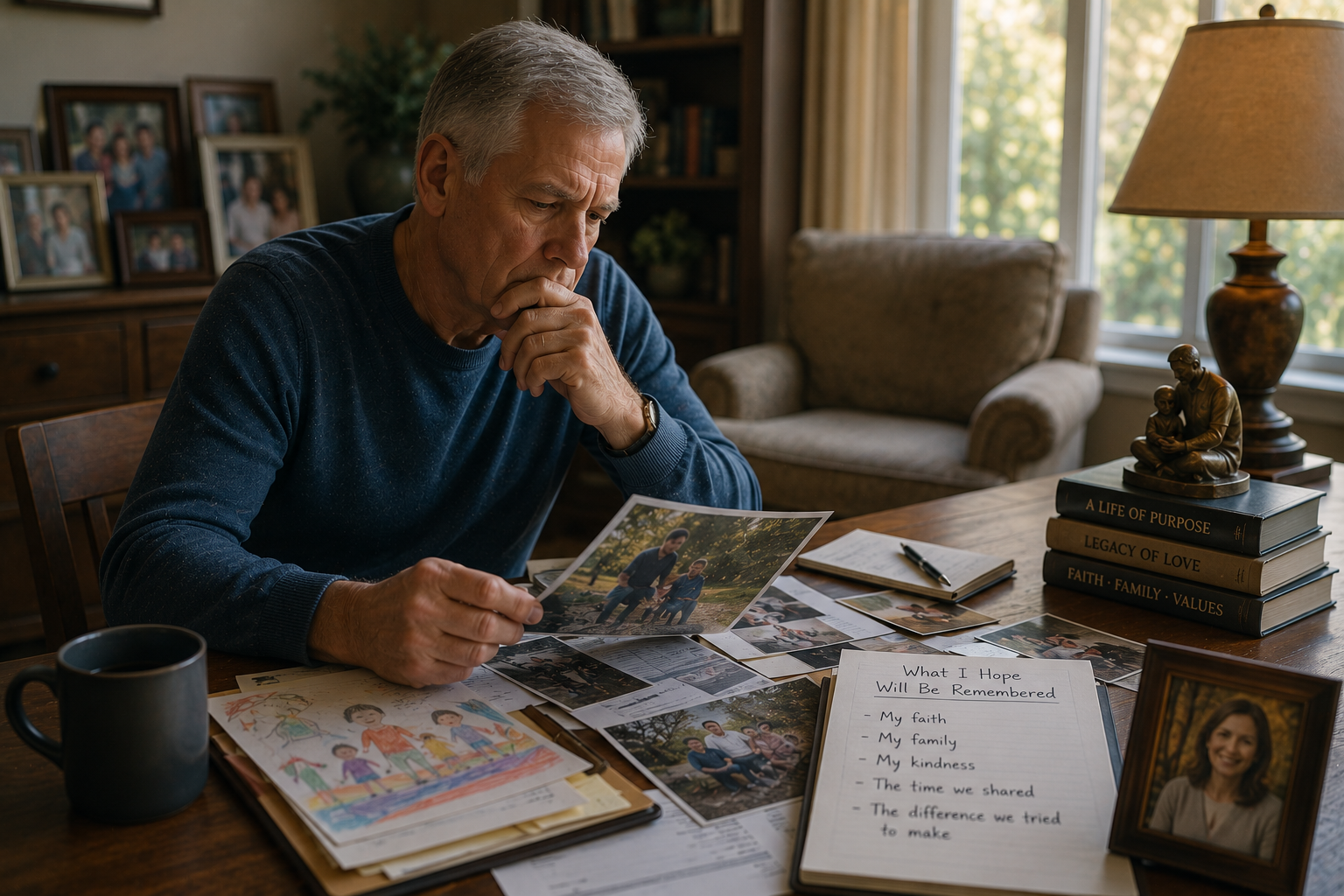
Most people think of estate planning as deciding who receives their home, savings, or other property. While those decisions are important, many people hope to leave behind something that cannot be measured in dollars.
How do you want your family to remember you? What values have guided your life? What traditions do you hope continue after you’re gone?
An estate plan cannot answer those questions on its own, but it can support the legacy you want to leave. In 2026, more families are recognizing that effective estate planning is about preserving purpose as much as it is about transferring property.
Your Legacy Is More Than Your Assets
Every estate tells a story.
For some people, that story includes years of building a business. For others, it reflects a commitment to family, education, faith, generosity, or community service.
While financial assets are part of your legacy, they are rarely the only part that matters.
Many people hope to be remembered for:
- The opportunities they created for their family
- The values they lived by
- The causes they supported
- The traditions they established
- The relationships they nurtured
A thoughtful estate plan can help ensure your financial decisions align with those priorities.
Estate Planning Is an Opportunity to Share What Matters
Estate planning often focuses on legal documents, but it is also an opportunity to think about the bigger picture.
Ask yourself:
- What do I want my family to learn from the way I planned?
- Are there charitable organizations that have been meaningful to me?
- Are there family traditions I hope will continue?
- What responsibilities do I want to pass on, not just possessions?
Considering these questions can lead to planning decisions that reflect more than financial outcomes.
Learn more about creating a comprehensive estate plan on our Estate Planning page:
https://hurbanlaw.com/estate-planning
Your Plan Should Reflect Your Priorities
No two estate plans should look exactly alike because no two people share the same priorities.
For example, your plan may emphasize:
- Providing long-term security for loved ones
- Supporting future educational opportunities
- Preserving a family-owned business
- Making charitable gifts
- Keeping treasured family heirlooms within the family
- Reducing uncertainty for those responsible for administering your estate
These decisions help shape the legacy you leave behind.
Small Decisions Can Have a Lasting Impact
Legacy is often built through thoughtful details rather than dramatic gestures.
Simple planning choices may include:
- Clearly identifying who should receive meaningful personal property
- Organizing important family documents
- Coordinating beneficiary designations with your overall estate plan
- Updating your plan as your goals evolve
These practical steps can make a significant difference for the people you leave behind.
Communication Is Part of Your Legacy
Not every estate planning decision needs to be discussed in detail, but sharing your overall intentions can provide valuable context.
When appropriate, consider talking with your loved ones about:
- The values that influenced your decisions
- Your hopes for future generations
- The importance of preserving family relationships
- Your desire to make estate administration as straightforward as possible
These conversations often become just as meaningful as the legal documents themselves.
Review Your Plan as Your Legacy Evolves
The legacy you hope to leave may change over time.
You may become involved with new charitable organizations, welcome grandchildren into your family, retire from a business, or experience other life changes that influence your priorities.
Reviewing your estate plan periodically helps ensure it continues to reflect both your financial circumstances and the legacy you hope to leave behind.
You can also learn more about probate and estate administration on our Probate page:
Estate Planning Is About More Than Passing Down Property
A well-designed estate plan does more than transfer assets. It reflects your life’s work, your values, and your intentions for the people and causes that matter most.
When your legal documents align with your personal priorities, they become more than instructions. They become part of the story you leave behind.
Final Thoughts
The way you are remembered is shaped by far more than the assets you leave behind. A thoughtful estate plan can help support the values, relationships, and goals that have defined your life while providing clarity for those you care about most.
At Hurban Law, we help Georgia families create estate plans that are tailored not only to their financial circumstances but also to the legacy they hope to leave for future generations.