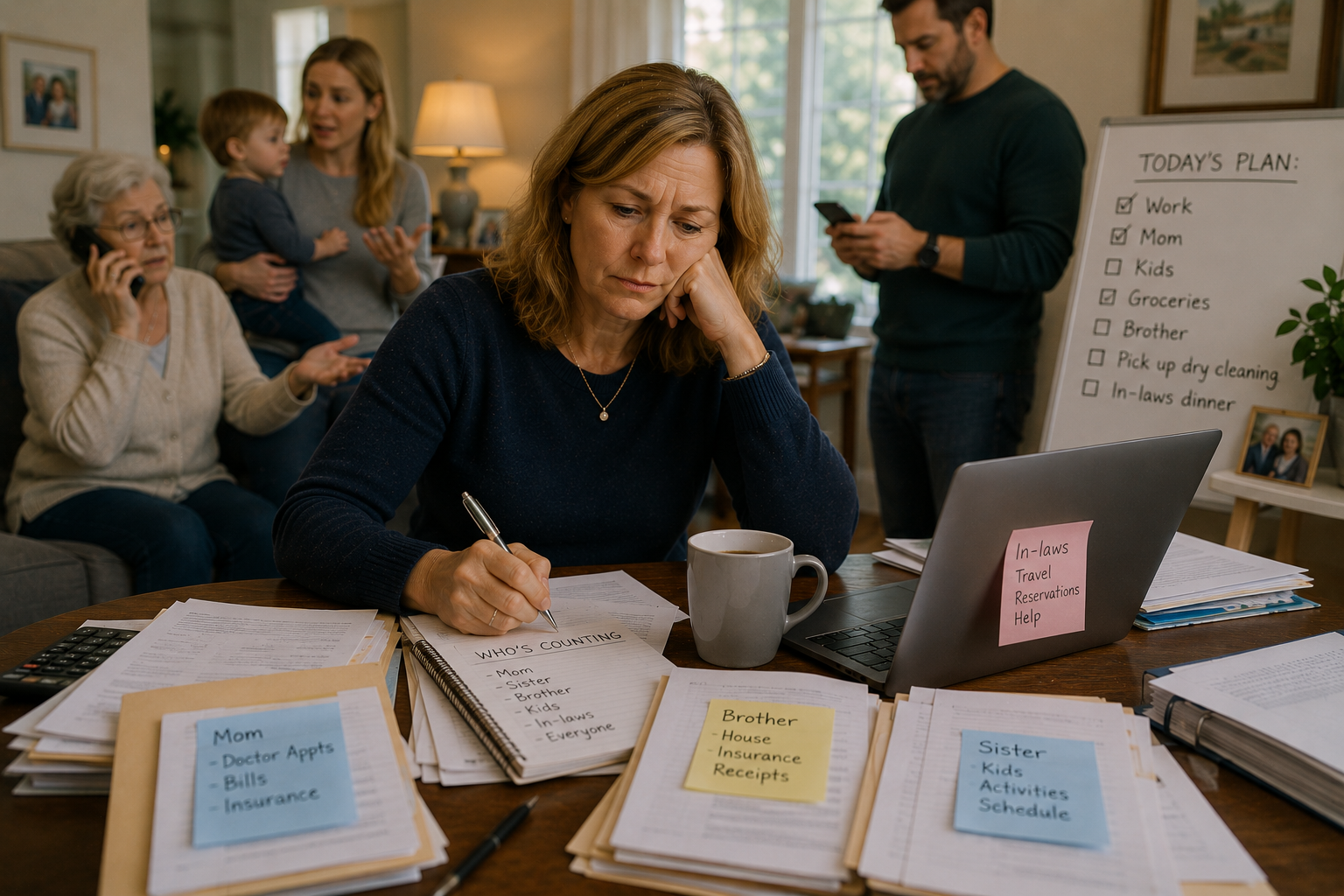
Every family seems to have one person who gets the call when something goes wrong.
They are the emergency contact, the trusted decision-maker, the reliable sibling, or the adult child who steps in when help is needed. They are often named as executor, trustee, agent under a power of attorney, or healthcare decision-maker for multiple family members.
Over time, these individuals become the family’s backup plan. While they spend significant energy preparing to help others, they often overlook an important question: What happens if they become unable to help themselves?
In 2026, one of the most overlooked estate planning risks is concentrating too much responsibility in a single person.
How People Become the Family’s Backup Plan
This role often develops naturally.
The family backup plan is frequently someone who is:
- Organized and dependable
- Financially responsible
- Available during emergencies
- Trusted by multiple family members
- Willing to take on additional responsibilities
As a result, they may be named in several estate plans and legal documents at the same time.
The Hidden Burden of Being the Reliable One
Being trusted is often viewed as a compliment. However, it can also create significant responsibility.
Some people find themselves serving as:
- Executor for parents
- Trustee for relatives
- Healthcare agent for family members
- Financial power of attorney for multiple individuals
- Caregiver during periods of illness or incapacity
Over time, these responsibilities can accumulate.
What Happens If the Backup Plan Becomes Unavailable?
Many families assume their most reliable person will always be available.
However, life is unpredictable.
The family backup plan may experience:
- Illness
- Incapacity
- Relocation
- Retirement
- Personal emergencies
- Death
When this occurs, multiple family plans can be affected simultaneously.
Learn more about comprehensive planning on our Estate Planning Services page:
https://hurbanlaw.com/estate-planning/
Why Concentrating Responsibility Creates Risk
Estate planning often focuses on selecting trustworthy individuals. Equally important is ensuring responsibilities are not overly concentrated.
Potential issues include:
- Multiple family members relying on the same person
- No successor decision-makers identified
- Delays when responsibilities must be reassigned
- Increased stress on the individual serving multiple roles
Diversification is not only important for investments. It can also be important for estate planning responsibilities.
The Importance of Successor Planning
Every important role should have a backup plan.
This may include:
- Alternate executors
- Successor trustees
- Backup healthcare agents
- Additional financial decision-makers
By planning for contingencies, families can maintain continuity even when circumstances change.
Why the Family Helper Needs a Plan Too
People who spend years helping others often postpone their own planning.
They may assume:
- There will be time later
- Their affairs are already organized
- Family members know what to do
Unfortunately, these assumptions can create problems if their own plan is incomplete.
Balancing Responsibility and Preparedness
Being prepared for others does not eliminate the need to prepare for yourself.
Helpful considerations include:
- Reviewing your own estate plan regularly
- Updating fiduciary appointments
- Organizing financial information
- Planning for incapacity as well as death
- Communicating important information to trusted individuals
These steps help ensure your own affairs are protected.
For more information about probate and estate administration, visit our Probate page:
https://hurbanlaw.com/probate-lawyer-atlanta/
What Resilient Estate Planning Looks Like in 2026
In 2026, effective estate planning recognizes that even the most dependable individuals are not immune from life’s uncertainties.
Strong plans typically:
- Avoid over-reliance on one person
- Include successor decision-makers
- Prepare for unexpected events
- Distribute responsibilities appropriately
This approach creates greater stability for families and fiduciaries alike.
The Value of Planning Beyond the Primary Choice
Many people spend significant time choosing who will serve in important roles. Fewer people consider what happens if that person cannot serve when needed.
Planning for alternatives helps create flexibility and resilience without changing core intentions.
Final Thoughts
Being the person everyone relies on is a sign of trust and responsibility. But even the most dependable individuals need a plan of their own.
If you serve as the backup plan for family members or are named in multiple estate planning roles, Hurban Law can help you build a plan that protects both your responsibilities and your future under Georgia law.